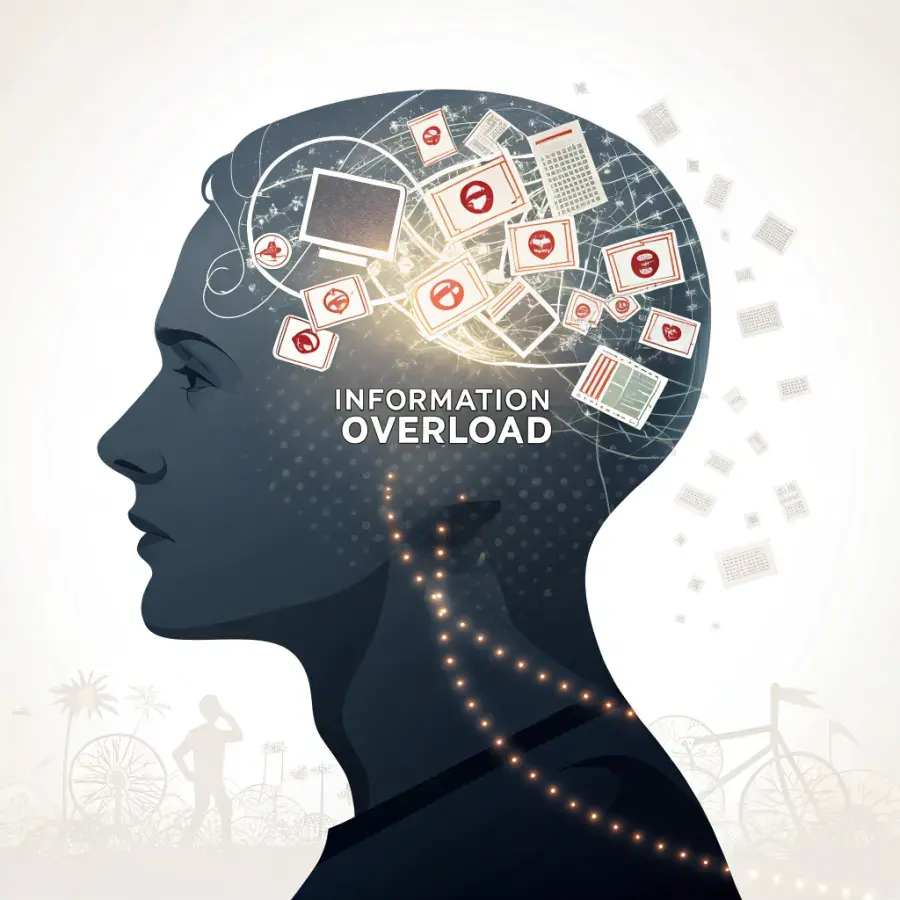
80 hours a week
2024-09-05 · By Esteban Rey (@Kilowatto) · 8,548 reads
Narrado con la voz sintética de Larry. El texto es de Esteban; la voz no es humana. Read the transcript.
Until a few months ago, my news consumption was borderline absurd. Let's take a look at a typical day in my life:
- 6 am: Las Noticias de las 5:50 on #ForoTV.
- 7 am: Estrictamente Personal with Raymundo Rivapalacio.
- 8 am: Primera Edición with Pascal Beltran del Rio (channel-surfing to Ciro Gómez Leyva on Radio Fórmula).
- 11 am: A bit of Fernanda Familiar on QTF.
- 7 pm: The Lead with Jake Tapper.
- 8 pm: Religiously, on YouTube, La Hora de Opinar with Leo Zuckermann.
On top of that, I'd randomly consume Anderson Cooper, read Reforma, Excélsior, and La Jornada (which might surprise you). I was also subscribed to Nexos, The Atlantic, Wired, and the New York Times.
What does this say about me?
You can probably deduce my political leanings and place me on the political spectrum, or conclude that I spend a lot on news. But the truth is, I wasted many years of my life being overly informed. What's the point of excessive information? Clearly, none. Is it to win an argument with friends about a hot topic because I have more information?
The fact is, there are addictions that hide in plain sight, invisible ones. No one in my close circle was shocked that I always had news on in my office, home, car, iPad, or computer. No one labeled me as the "news junkie" or worried about how I "smoked" information. In fact, many people would ask me what I thought about some event that had happened in Syria or Western Sahara.
Now, with more clarity, I'm convinced that quitting this excessive consumption has been one of my best decisions.
What helped me?
First, a 20-day trip with limited access to news and internet. Second, Marian Rojas-Estape's book, Recupera tu mente, which gave me a crucial perspective. This book is about how stress and information overload affect our mental health and how we can regain control of our minds by disconnecting from what unnecessarily consumes us.
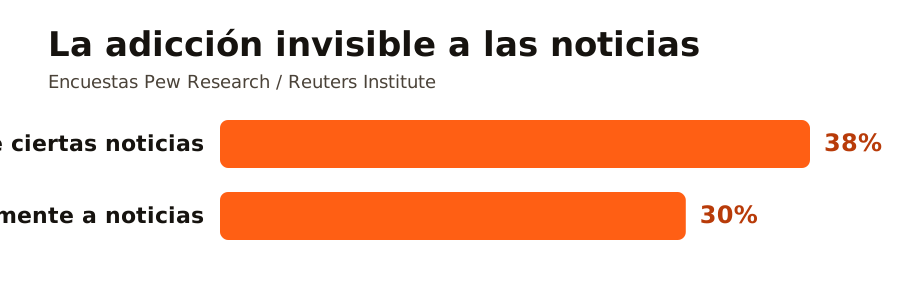
Looking at statistics on news consumption and this addiction has helped me reaffirm my decision. For example:
- A Pew Research Center study showed that 30% of Americans are constantly connected to the news, which can increase anxiety and information fatigue.
- According to the Reuters Institute, 38% of news consumers have started actively avoiding certain news due to its negative impact on their well-being.
I hope this article makes you reflect on whether you also have invisible addictions. It's essential to recognize them and do something about it before they take control of your life.
 Larry
Larry
Comments
Be the first to comment.