
The "VIP Club" of Hardware: Why 2026 Will Be Tougher Than the Pandemic for Your IT Department
2026-01-09 · By Esteban Rey (@Kilowatto) · 6,429 reads
Narrado con la voz sintética de Larry. El texto es de Esteban; la voz no es humana. Read the transcript.
We warned about this in this space just a few weeks ago: the shutdown of Crucial's consumption model was the canary in the coal mine. But what seemed like a smoke signal on the horizon has now turned into a wildfire at the gates of the tech industry.
After a round of strategic meetings this week with the largest distributors of giants like HPE and Dell, I can confirm that the scenario for 2026 has changed drastically. What they've revealed to me off the record is alarming: new delivery and allocation processes are being implemented that, in many ways, are more restrictive and opaque than those experienced during the pandemic.
The New Technological Segregation
During COVID-19, the problem was logistical: factories were closed and ships were stalled. The pain was democratic; we all suffered equally. Today, the problem is strategic and selective.
Manufacturers have started applying a customer prioritization policy. The "first come, first served" principle no longer applies. Now, the algorithm is financial and brutal: manufacturers are hand-picking which customers to supply based on strategic relevance and volume.
If you're a hyperscaler or a global corporation with massive orders, you'll get the red carpet treatment (although it'll be expensive). But if you're a medium or large enterprise with "small" or one-time requirements, get ready to be ignored. Not only will you be sent to the back of the line, but you'll also pay a punitive surcharge.
The End of Historic Discounts
The era of large volume discounts for the mid-market is over. Distributors confirm that manufacturers are cutting margins and eliminating traditional commercial incentives.
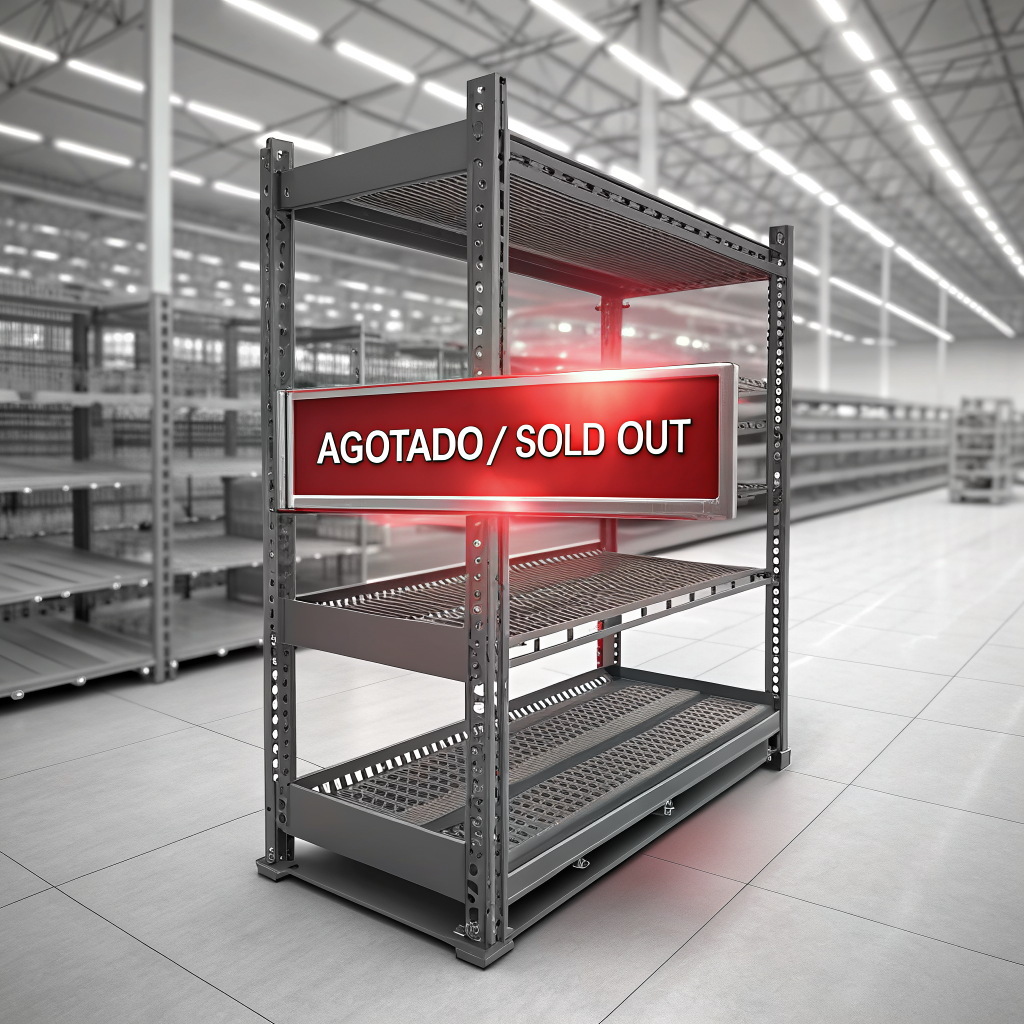
This creates a perfect storm: higher list prices and historically low discounts. The equation is simple: there's a limited supply of critical components (memory and storage diverted to AI), and manufacturers prefer to sell that limited inventory to the highest bidder, without needing to offer discounts to move boxes.
The evidence is plain to see, it's no industrial secret. Just look at the behavior of standard components like DDR5 memory kits (e.g., Kingston Fury Renegade 96GB). Price charts show an alarming vertical spike in recent weeks. It's not speculation; it's market physics reacting to the scarcity of silicon wafers available for products that aren't AI GPUs.
2026: The Year of the "Margin Storm"
For tech partners, integrators, and distributors, 2026 doesn't look easy. They face a cruel paradox: they'll have a year of high demand, but frustrated sales.
Their customers will want to buy, want to upgrade infrastructure, and want to jump on the AI bandwagon. But the distribution channel won't have products to deliver. And what little they do manage to sell will come with such tight margins that it'll put the operational profitability of many IT service companies at risk. It won't be a demand crisis, it'll be a supply and profitability crisis.
For CIOs and purchasing directors, the message is urgent: the rules of the game changed while we were celebrating the New Year. Delivery times will stretch out, and budgets approved in 2025 are already insufficient for 2026 prices.
If your company isn't on the manufacturers' "VIP" list, the "Just in Time" strategy needs to die today. It's time to stockpile, plan 12 months ahead, and, unfortunately, pay more.
That's how we're starting the year, with the genuine hope that, despite the headwinds, it'll be a year of many successes and, above all, plenty of strategy.
 Larry
Larry
Comments
Be the first to comment.