The New LinkedIn is a Disaster
2024-08-23 · By Esteban Rey (@Kilowatto) · 7,122 reads
Narrado con la voz sintética de Larry. El texto es de Esteban; la voz no es humana. Read the transcript.
Introduction
The only social network I actively use is LinkedIn (I use YouTube, but that's a topic for another article). Today, I woke up to find that LinkedIn has changed - it now has a video section . It's like TikTok. Wow, wonderful, fantastic! Not really. Let me tell you why.
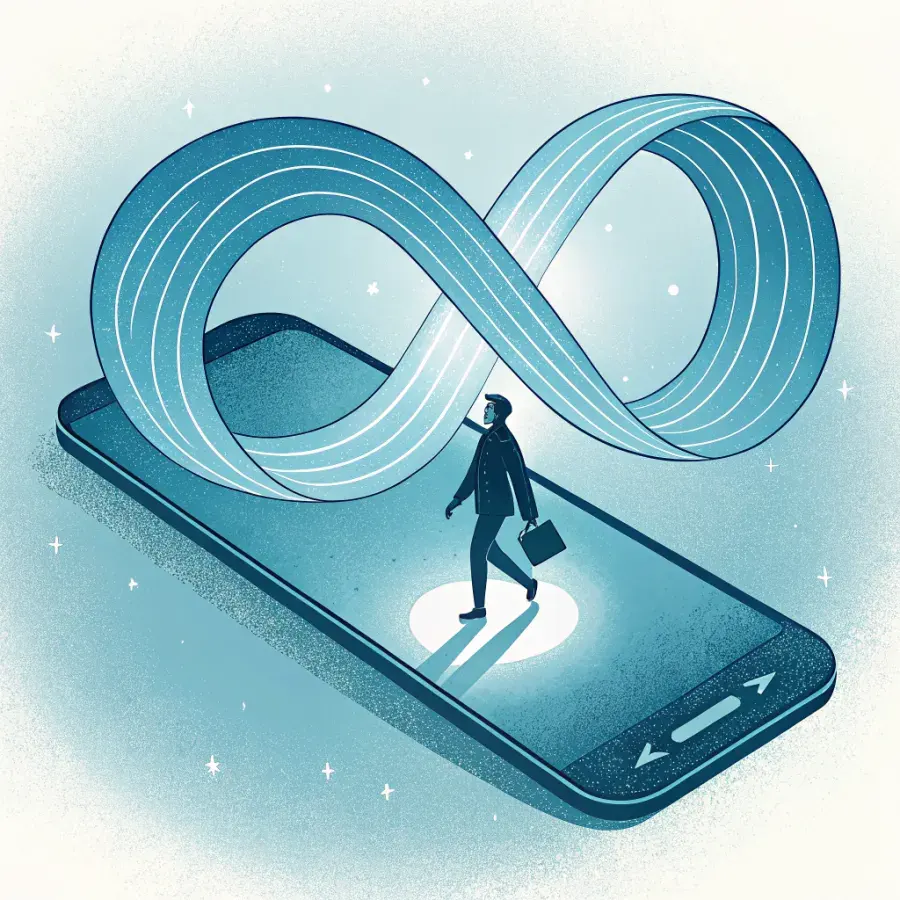
I'll start with the infinite scroll, a technique that seems designed to keep us hooked on the platform without even realizing how time flies by. It was invented by Aza Raskin, a designer who later realized the negative impact of his creation. Especially concerning is its effect on adolescents and young people, whose ability to self-regulate and manage time is still limited. After seeing how this tool could manipulate people, Raskin founded the Center for Humane Technology (CHT), an organization dedicated to promoting app designs that respect people's autonomy and privacy.
So, what does this change in LinkedIn mean? Simply, another attempt to keep us glued to the screen, absorbing endless content, all under the guise of "networking" and "professional opportunities". But beware, because these practices can have serious consequences for our mental health and how we manage our time.
Who is Aza Raskin?
Aza Raskin is a tech innovator and interface designer known for his influence on the development of digital tools. Born into a talented family, he is the son of Jef Raskin, the legendary engineer who led the Macintosh project development at Apple. From a young age, Aza was surrounded by technology and innovation, which marked his path in the digital world.
Aza Raskin has worked in various areas of technology, standing out for his ability to merge design and functionality in his projects. He is the co-founder of the Center for Humane Technology (CHT), where he works to mitigate the negative effects of technology on society, an approach he took after recognizing the harmful impact of some of his own creations, such as the infinite scroll.
Throughout his career, Aza has been an advocate for ethics in digital design, advocating for technologies that respect users' autonomy and privacy. His work at CHT is an extension of his commitment to creating a more humane and conscious digital environment.
What is infinite scroll and what does it do to the brain?
Technical definition of infinite scroll
Infinite scroll is an interface design technique that allows content to be loaded continuously as the user scrolls down a webpage or application, without needing to click to load the next page. This technique was introduced to improve the user experience by avoiding interruptions in navigation. However, it also has a dark side, as it facilitates passive and uninterrupted consumption of content, which can lead to excessive use of digital platforms.
Algorithms behind infinite scroll
The success of infinite scroll is closely tied to advanced recommendation algorithms found in platforms like TikTok, Instagram, and Facebook. These algorithms are designed to maximize the time users spend on the platform by offering them highly relevant and attractive content. Among the techniques used by these algorithms are:
- Collaborative filtering: This method analyzes behavior patterns of similar users to predict what might interest you, based on the interactions of users with similar tastes.
- Content-based recommendation systems: They evaluate the characteristics of the content you've previously consumed to suggest similar content. This can include aspects like the topic, duration, or even the style of the content.
- Deep learning models: Deep neural networks are used to identify complex patterns in user data, allowing platforms to anticipate your interests with surprising accuracy.
These techniques not only show content based on your interests but also prioritize content that is most likely to keep you engaged, reinforcing the infinite scrolling cycle.
Impact on brain chemistry
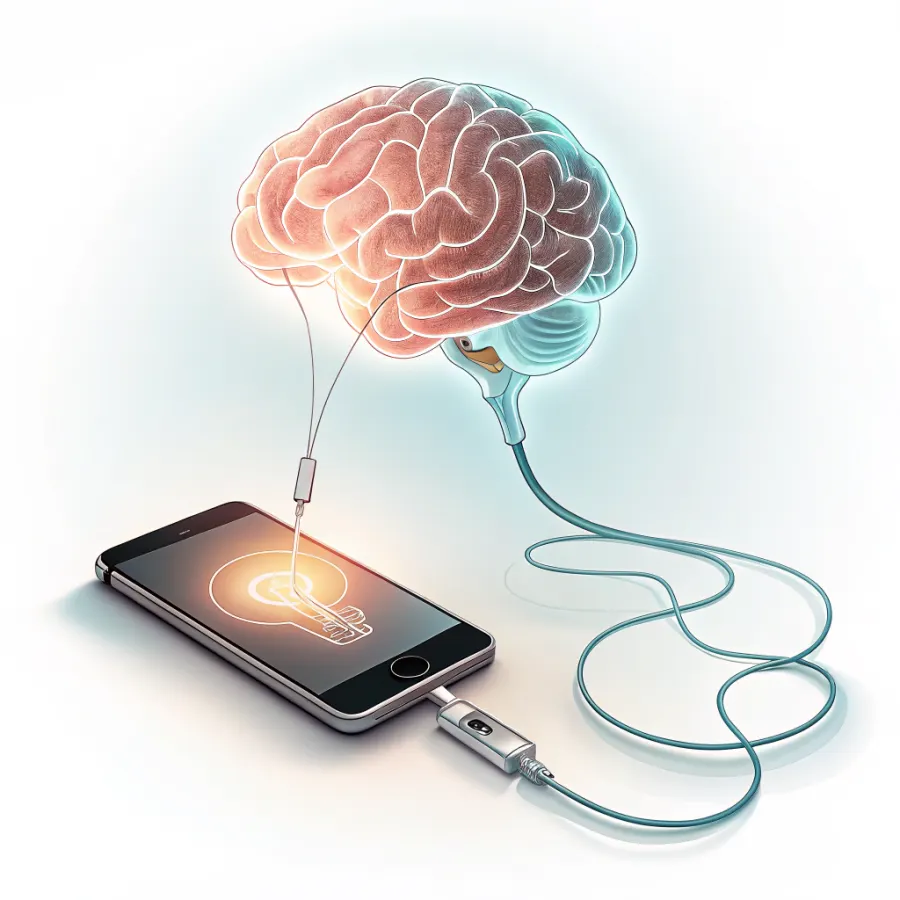
Infinite scroll doesn't just affect the amount of time you spend on an app; it also has a direct impact on your brain chemistry. By consuming content continuously, especially on video platforms like TikTok, your brain experiences a constant release of dopamine, a neurotransmitter associated with the feeling of pleasure and reward. This dopamine cycle creates a "hook" that makes you want to keep scrolling for more of that instant pleasure.
The addictive nature of infinite scroll is due to this reward cycle. Every time you see a video or content you like, your brain releases dopamine, reinforcing the behavior of continuing to scroll. This phenomenon is similar to how addictions work, where the brain gets accustomed to the constant release of dopamine and starts to crave more, making it difficult for users to disconnect from the platform.
Studies and statistics on negative impact
A study published in JAMA Pediatrics in 2023 found that adolescents who constantly check their social media show changes in how their brains respond to feedback and criticism from peers, which can lead to increased anxiety and depression.
Another study by the University of Minnesota found that prolonged exposure to negative content on TikTok can lead to spirals of negative thoughts that are hard to escape, increasing the risk of mood disorders.
Additionally, the American Psychological Association has warned that excessive use of social media with infinite scroll is linked to issues like insomnia, attention disorders, and increased stress levels.
In conclusion, infinite scroll, while effective in keeping users engaged, has serious implications for mental health, especially among younger users. It's crucial to be aware of these techniques and their effects to manage our online time more healthily.
Conclusion
Hey, I'm not naive - infinite scroll is on LinkedIn, but the new video section, a blatant copy of TikTok with vertical videos, takes away its essence. I want to be clear: I'm 100% in favor of videos, of LinkedIn Live; what bothers me is the way these videos are presented. LinkedIn, as far as I understand it, is for producing, connecting professionals, hiring or looking for work, sharing articles, training. This new section is designed to trap you and make you waste time.
I hope you'll leave your comments.
 Larry
Larry
Comments
Be the first to comment.