The AI Glass Ceiling: The Invisible Crisis That Could Freeze Your 2026
2026-01-17 · By Esteban Rey (@Kilowatto) · 4,275 reads
Narrado con la voz sintética de Larry. El texto es de Esteban; la voz no es humana. Read the transcript.
A few days ago, I wrote here about how memory manufacturers (RAM and SSD) are turning off the faucet for the consumer market to feed data centers. I warned about hardware’s “VIP club,” and why 2026 could be a year defined by shortages. But if you thought the problem ended with memory chips, I’ve got bad news. There’s a deeper bottleneck—more physical, more stubborn, and far harder to fix. We’re not talking about silicon. Not power. Not water. We’re talking about glass.
Specifically: ultra-high-purity quartz glass and specialized glass cloth—materials that quite literally hold up the digital brain of the world. And just like with memory, NVIDIA and the AI giants are already drinking the supply dry.
Sand Isn’t Infinite
To most people, glass is just melted sand: common, cheap, everywhere. But at the nanoscale, ordinary glass is basically junk. To make the advanced semiconductors that power AI (think NVIDIA’s Blackwell family or Apple’s M4), the industry relies on quartz crucibles so pure that the raw material comes from only a handful of places on Earth—most notably Spruce Pine, North Carolina—or is produced through extremely expensive synthetic processes, particularly in Japan.
Without those crucibles, you can’t melt silicon cleanly enough to produce leading-edge wafers. But the pain point right now is even more specific: packaging.
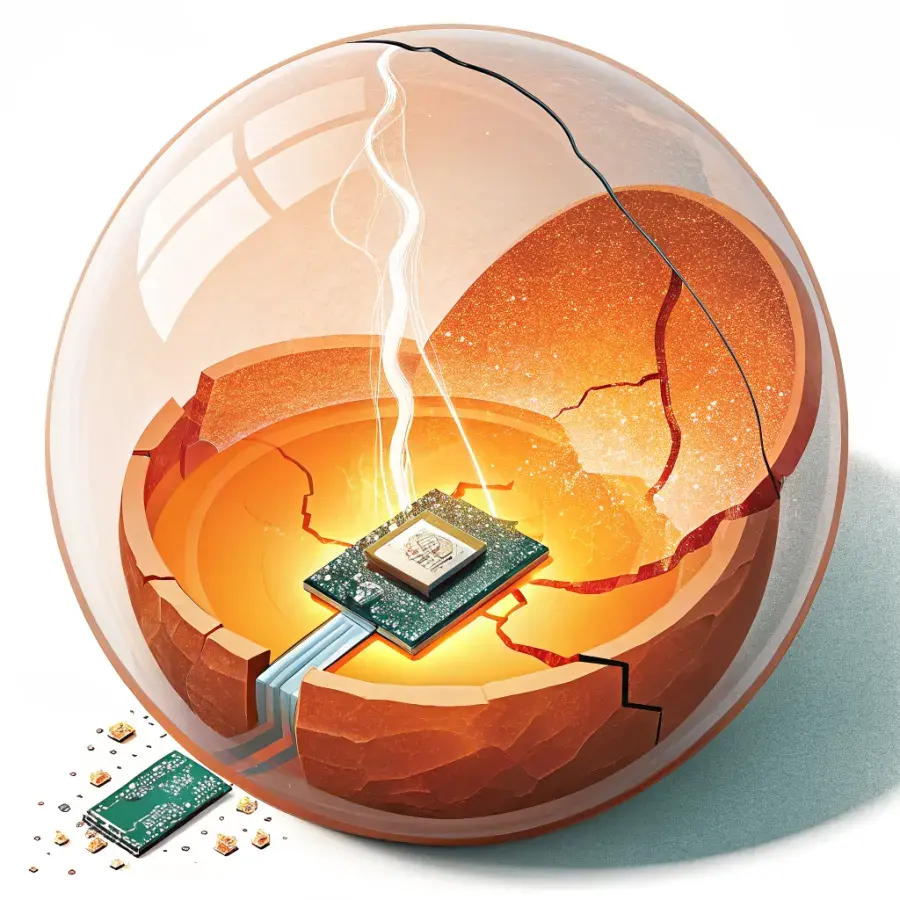
Modern AI chips aren’t single slabs of silicon. They’re skyscrapers—stacked components assembled through advanced packaging (like TSMC’s CoWoS). To keep those skyscrapers from warping, cracking, or overheating, they need to be mounted on substrates made from a very particular material: low-CTE (low coefficient of thermal expansion) fiberglass. And this is where the chain starts to break.
The Japanese Bottleneck: Nittobo
A huge share of the world’s supply of this specialized glass depends on one company in Japan: Nitto Boseki (Nittobo). Recent market intelligence paints a stark picture: demand for NVIDIA’s AI accelerators has effectively absorbed most of Nittobo’s production capacity for the next two years. Hyperscalers—Google, Microsoft, Meta—have reportedly locked up entire production lines, paying premiums no consumer electronics maker can match.
That has triggered a quiet kind of panic in Cupertino. Reports suggest Apple—arguably the most formidable supply-chain organization on the planet—has had to send executives to Japan to plead for allocation. At the same time, Apple appears to be urgently scouting alternatives in China, leaning on smaller suppliers like Grace Fabric, trying to push them to meet Apple-grade standards at breakneck speed.
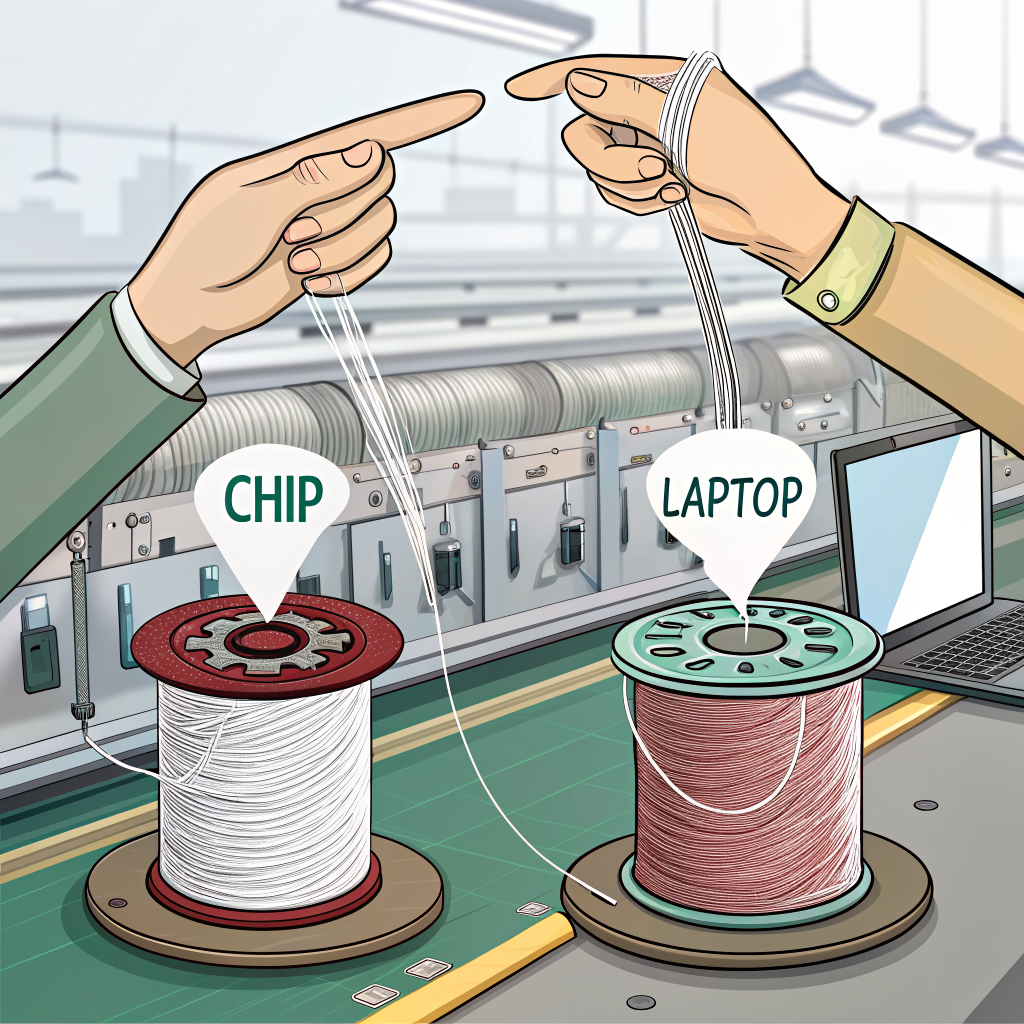
If Apple is struggling to secure glass, what chance does everyone else have?
The Domino Effect in 2026
This brings me back to the central thesis: AI is cannibalizing the rest of technology. The glass that should be going into substrates for 2026 laptops, mainstream enterprise servers, and smartphones is being diverted to package H100-class GPUs and the next wave of Blackwell systems.
That means we may face a structural shortage of foundational components next year. It won’t be that there are no CPUs. It’ll be that there aren’t enough of the boards and substrates needed to mount and ship complete systems. Here’s what that can translate into:
- Delayed launches: Consumer products slipping by months.
- Hardware inflation: Higher prices for PCBs and motherboards flowing into server and PC prices.
- Compromised quality: Second-tier brands taking risks with lower-grade substrates (higher thermal expansion), leading to systems that fail sooner.
The Physical Fragility of the Digital World
It’s both fascinating and unsettling: we’ve built a multi-trillion-dollar digital economy that can be throttled by whether a factory in Japan can spin specialty glass fast enough. NVIDIA didn’t lock up supply out of malice. It did it out of survival and market gravity. They secured their future—while the rest of the industry fights over the remaining shards. So when your IT vendor tells you in 2026 that servers are backordered—or that laptops are suddenly 20% more expensive because of “supply chain issues”—don’t just think chips.
Think glass.
AI isn’t only consuming our power and our memory. It may also be consuming the very substrate—the literal foundation—on which modern computing is built.
 Larry
Larry
Comments
Be the first to comment.